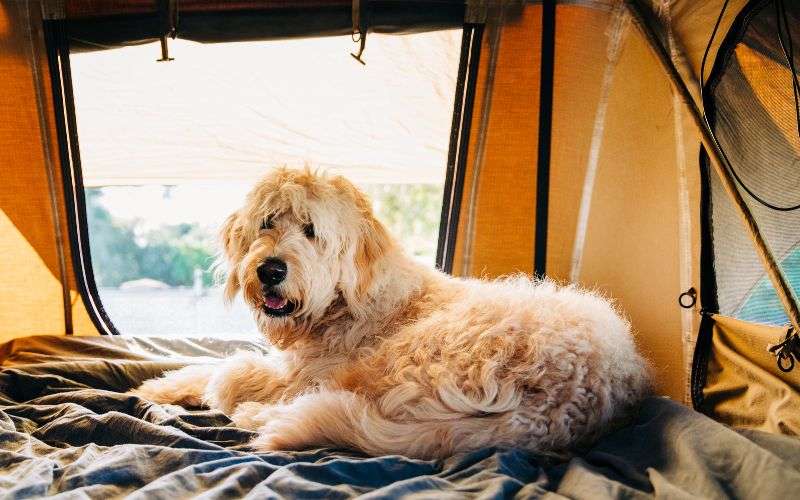

If it feels like you’re seeing more wagging tails on beaches, in cafés and checking into your accommodation, you’re not imagining it.
Pet tourism is booming across the South West, and the latest data from the South West Visitor Economy Hub shows just how significant this growing trend is.
With more people than ever choosing to travel with their dogs, tourism businesses are stepping up.
Pup-friendly menus, four-legged welcome packs, and even doggy day spas are becoming part of the visitor experience – and it’s not just about being cute or accommodating. It’s about recognising a shift in behaviour and using data to make smarter, more informed decisions.
A quarter of visitors could be travelling with dogs
Fresh data from the South West Visitor Economy Hub gives us a never-before-seen look at just how dog-loving our visitors are.
In the last 12 months, 19% of overnight visitors to Devon brought their dog with them. That’s nearly one in five – and the numbers could have been even higher.
A further 6% of visitors said they would have brought their dog if their accommodation had allowed it. That means that with a fully dog-friendly industry, as many as one in four visitors could be bringing their pet.
That’s a huge potential market – and one that’s only likely to grow.
Location, location, location
Unsurprisingly, visitors heading to wide-open spaces were most likely to bring their four-legged friends. Exmoor saw the highest proportion of dog-owning visitors, at 29%, compared to much lower figures in city destinations like Exeter and Plymouth.
But here’s the twist. While fewer visitors to Plymouth brought their dogs, they were the most likely to say they would have done so if their accommodation had allowed it.
This insight highlights a clear opportunity for city-based businesses to attract more overnight visitors by making dog-friendly options available – from rooms to restaurants.
Who is travelling with dogs?
The data also reveals who’s most likely to bring their dog on holiday.
The top group is the “extended family” travel party – think grandparents, parents and children enjoying a multi-generational break. This is followed by immediate family groups, with parents and children travelling together. In both cases, the family dog is very much part of the holiday plan.
Meanwhile, those most frustrated by a lack of dog-friendly options include mixed family and friends groups, and travellers aged 45–54 – likely a mix of empty-nesters and experienced holidaymakers who expect their pets to be welcomed, not left behind.
Insights that help you plan better
This kind of data insight is exactly what the South West Visitor Economy Hub was created for.
By collecting real-time tourism data from businesses and visitors across the region, the Hub helps you spot emerging trends, plan smarter, and make decisions that help your business thrive.
Alex Spalding, Business Engagement Lead for the Hub, explains: “This is the first time we’ve been able to collect and share detailed data on pet tourism in the region, and it’s already revealing real opportunities for tourism businesses.
“By understanding not just how many people travel with dogs, but who they are and where they’re going, we can help businesses adapt and tap into this fast-growing market.”
From seasonal changes in visitor habits to shifting demographics and secondary spend patterns, the Hub puts you in a stronger position to respond to what visitors want – including the ones with paws.
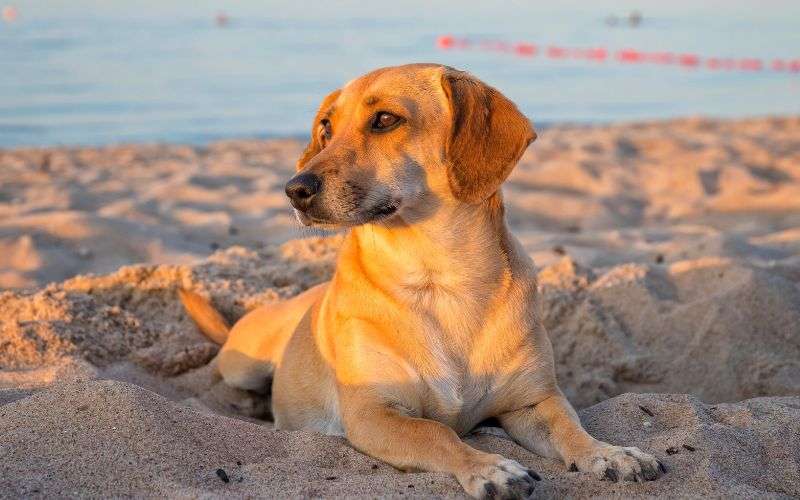
What can your business do to be more dog-friendly?
Whether you run a B&B, hotel, café, or visitor attraction, the data speaks for itself: being dog-friendly is good for business. Here are a few ideas to consider:
- Review your pet policy: Can you open up more rooms or tables to dog owners?
- Offer pet-friendly perks: From water bowls to dog beds and welcome treats, small touches go a long way.
- Use your marketing wisely: Shout about your dog-friendly offer in your listings, on your website, and across social media.
- Train your team: Make sure your staff are comfortable welcoming pets and their owners.
- Track your visitors: If you’re part of the Hub, use the data you submit to monitor how dog-owning visitors are changing your business.
And if you’re not already using the Hub, now is the perfect time to start.
Get insights like this delivered straight to your inbox
Sign up to our newsletter at swvehub.co.uk/newsletter and be the first to hear about the latest trends, updates and tourism intelligence for the South West.
Because when you know more about your visitors – two-legged or four – you can build a business that truly meets their needs.